
Events and Seminars
SASE – 2026 Conference in Bordeaux

The 38th SASE conference examines conflict and power reconfigurations in a post-globalisation era across economies, polities, and workplaces. Continue reading →
19èmes Journées Internationales de Sociologie du Travail

The 2026 JIST conference explores the global recomposition of work through processes of circulation, division, and localisation, focusing on labour fragmentation, global value chains, outsourcing, informality, and the changing social geographies of work. Continue reading →
IWPLMS & IREC Joint Conference 2026

The joint IWPLMS and IREC conference addresses labour market segmentation and rising inequalities, focusing on their drivers, institutional responses, and implications for workers in increasingly dualised labour markets. Continue reading →
News and Publications
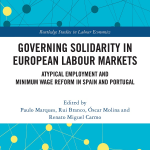 Governing Solidarity in European Labour Markets - The new book Governing Solidarity in European Labour Markets, co-edited by Óscar Molina, examines recent labour market reforms in Spain and Portugal and compares the strategies adopted to address precariousness and labour market segmentation. ...
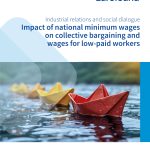 Impact of national minimum wages on collective bargaining and wages for low-paid workers - Increases in national minimum wages can have various knock-on effects – they can, for instance, lead to wage rises more generally and can influence the social partners’ latitude in collective bargaining. This report examines how changes to national minimum… ...